REPORT FROM CHRISTOPHER FRIEDRICH, AUTRC WASH EXPERT
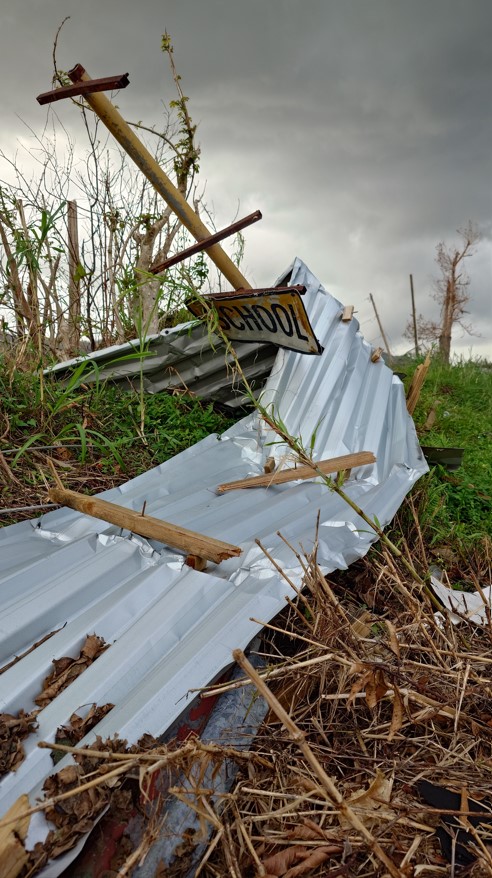
I was deployed as the IFRC Water, Sanitation and Hygiene (WASH) coordinator to Jamaica in early November 2025 in response to Hurricane Melissa, which was as one of the most powerful hurricanes on record to ever hit the island.
During my time in Jamaica, the situation in many areas was still fragile, especially in the western Parishes. The storm heavily damaged the electricity network, which affected the provision of drinking water and sanitation, because pumping, water and wastewater treatment often depend on electrical power. Access to safe water and sanitation however is not just a service, but a human right, a matter of dignity and a cornerstone of public health. If water and sanitation services break down, the risks of disease spread increase, as we saw with Leptospirosis in Jamaica. Such circumstances can force communities to use unsafe water sources and make other dangerous compromises until those services are restored.
The IFRC Emergency Appeal is designed to run over 24 months, which just goes to show how long such a recovery process takes. The Bank of Jamaica estimates that the recovery from Hurricane Melissa will take up to four years. This is a long timeframe, especially in light of the increase of intensity and frequency of extreme weather events worldwide due to climate change.
By January 2026, the Jamaica Red Cross with support of the IFRC had already supported more than 28,000 people, through a mix of shelter assistance, WASH activities, health services, psychosocial support, and financial assistance.
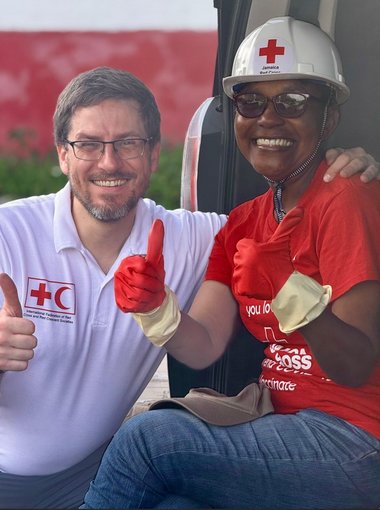
My role was mainly to help make sure all WASH activities were aligned between the Jamaica Red Cross, IFRC, other movement partners and relevant stakeholders, and that we stayed focused on the topics and activities that were most urgent and impactful. A lot of my work consisted of planning, prioritising, problem-solving, and constant communication, to avoid duplication of efforts, and making it more likely that the most vulnerable communities receive consistent support.
Although seeing all the destroyed homes, and people who have lost basically everything they owned is gut wrenching, what impressed me most was the resilience of the Jamaican people. I witnessed people showing up again and again, helping neighbours, sharing what little they have, and still finding ways to move forward. As in most disaster response deployments, our workdays were very long but seeing such strong community action and resilience even in the face of utter destruction, instilled a lot of hope and motivation to our team.
Looking back, our work in Jamaica was demanding, but it was a good reminder why WASH matters so much. Clean water, sanitation, and hygiene are not merely addons, but the foundations which modern societies are built upon and that shape whether people can recover from disasters safely. Sometimes, the most meaningful progress doesn't look very dramatic from the outside. It is the first day the water supply in a damaged health centre turns back on, a truck full of bulky waste and hurricane debris that was just removed from a vulnerable community driving by, or when the Red Cross is one of the first organisations that reaches a remote village with life-saving relief support. These are the moments that instil hope in times of great suffering and sorrow and that make all the hard work worthwhile.